
Ultimate Outdoor Celebration Checklist for a Seamless Memorable Event
Outdoor celebrations feel effortless when everything works, yet the “easy” look usually comes from careful planning. A beautiful lawn, garden, patio, vineyard, park, or backyard can set the mood before guests even arrive, but open-air events also bring variables that indoor venues keep hidden. Sun shifts. Wind picks up. Restrooms matter. Shoes sink into grass. A speaker that sounded fine in the kitchen can disappear in a wide yard.
The good news is that a seamless outdoor event does not require a massive budget or a professional production crew. It requires smart choices, realistic backup plans, and a checklist that keeps guests comfortable from arrival to goodbye.
Use this guide as a practical planning framework for birthdays, graduation parties, bridal showers, reunions, anniversaries, neighborhood gatherings, and elegant backyard dinners. The details will change by occasion, but the planning principles stay the same.
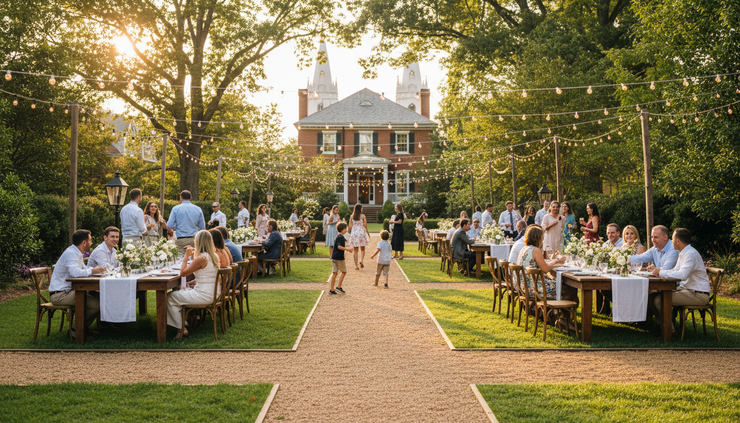
Choose a venue that supports the celebration from the start
The venue shapes nearly every planning decision. A small backyard can feel warm and personal, while a public park gives room for games and large groups. A vineyard, garden, or riverside space near Richmond can add built-in scenery, but may come with rules about music, alcohol, rentals, parking, or event end times.
Before falling in love with the look of a location, ask how it will actually function.
Match the setting to the guest experience
Think beyond capacity. Ask what guests will do from the moment they arrive.
A strong outdoor venue should have:
Easy arrival
Guests should understand where to park, where to enter, and where to check in or place gifts.
Comfortable walking surfaces
Grass, gravel, brick, and slopes all affect footwear, accessibility, stroller use, and catering movement.
Natural flow
Food, drinks, seating, restrooms, entertainment, and exits should be easy to find without signs at every turn.
Enough power
Music, lighting, coffee service, fans, heaters, and catering equipment may all need outlets or generators.
Restroom access
For private homes, check whether indoor bathrooms can handle the crowd. For remote sites, upscale restroom trailers may be worth the cost.
Noise awareness
Outdoor sound carries. Check local rules, neighborhood expectations, and venue quiet hours.
If the event is at home, walk the space like a guest. Start at the driveway or sidewalk. Notice where people might hesitate, where they will set down bags, where older guests may need a chair, and where kids might run.
Build a layout before renting anything
A layout prevents expensive guesswork. Sketch the space on paper or use a simple digital floor plan. It does not need to be perfect. It just needs to answer the big questions.
Plan zones for:
Event area | Planning question to answer |
Arrival | Where do guests enter, park, and get oriented? |
Seating | Will people sit for a meal, mingle, or do both? |
Food | Can guests move through the line without blocking a walkway? |
Drinks | Is the bar easy to find but away from the main entrance? |
Entertainment | Can everyone see or hear the music, games, or speeches? |
Kids or activities | Is there enough space away from food, candles, and fragile decor? |
Quiet area | Is there a place for guests who need a break from music or crowds? |
Leave wider pathways than seem necessary. People gather in clusters, chairs get pushed back, servers need room, and kids rarely follow a straight line. If the event includes a buffet, bar, photo area, or dessert table, expect those places to create traffic.
For seated meals, avoid placing tables too close to grills, speakers, trash bins, or restroom doors. For cocktail-style events, offer more small tables than you think you need. Guests need places to set plates, drinks, phones, and purses.
A good event design plan makes the space feel natural. Guests should not have to ask where everything is because the layout quietly guides them.
Plan for weather before you need the plan
Weather is the biggest outdoor event variable, and hope is not a plan. A sunny forecast can still bring wind. A mild day can turn chilly after sunset. A summer celebration can feel uncomfortable without shade and water.
Start tracking seasonal patterns early, especially in areas like central Virginia where humidity, pop-up storms, and quick temperature swings can affect comfort.

Create a real rain plan
Decide what will happen if rain appears, and decide it early. Waiting until the morning of the event usually creates stress, rushed spending, and unclear communication.
Your rain plan might include:
Renting a tent with sides
Moving the event into a garage, barn, clubhouse, porch, or indoor room
Reserving a backup venue
Shifting the schedule earlier or later
Choosing decor and furniture that can handle moisture
Keeping towels, umbrellas, and floor mats ready
If tenting is part of the plan, ask about installation timing, staking rules, weights, sidewalls, flooring, lighting, and removal. Some locations do not allow stakes because of irrigation lines or underground utilities.
Also think about what rain does to the ground. A tent over soggy grass is still soggy. For formal events, dance floors, temporary flooring, or outdoor rugs can make a big difference.
Prepare for sun, heat, wind, and cold
Rain gets the most attention, but plenty of outdoor parties struggle on dry days.
For warm weather, plan:
Shade from tents, umbrellas, trees, or sails
Water stations in more than one place
Fans if power allows
Light menu options that hold up well outdoors
Sunscreen and bug spray in a discreet comfort basket
Seating away from direct afternoon sun
For cool evenings, plan:
Patio heaters where allowed
Throw blankets in baskets
Warm drinks after dinner
Fire pits with clear safety rules
A schedule that moves key moments earlier
For wind, choose heavier linens, low centerpieces, sturdy signage, and covered food service. Avoid tall, narrow vases, loose paper menus, lightweight balloons, and fragile decor that needs perfect calm to survive.
The best weather plan is not dramatic. It simply keeps the celebration moving.
Manage the guest list and invitations with clarity
The guest list affects every other choice. Food quantities, seating, rentals, restrooms, parking, favors, activities, and budget all start with the number of people attending.
Begin with a working list, then sort it into clear groups. Immediate family, close friends, neighbors, coworkers, kids, plus-ones, and out-of-town guests may all need different planning details.
Set the guest count before the details expand
Outdoor spaces can feel flexible, but they still have limits. A backyard that feels spacious for 25 people may feel crowded with 60 once you add tables, a bar, a buffet, a tent, and a dance area.
Before sending invitations, decide:
The maximum number the space can comfortably hold
Whether children are invited
Whether guests may bring plus-ones
Whether pets are welcome
Whether the event is casual drop-in style or has a firm start time
Whether guests need accessibility details in advance
Keep a master guest list with names, contact details, RSVP status, dietary notes, plus-ones, and special considerations. A spreadsheet works well, but any system is fine if it stays current.
Send invitations that answer practical questions
A great invitation does more than announce the date. It helps guests arrive prepared.
Include:
Date and start time
End time, if helpful
Full location details
Parking instructions
Dress guidance, especially for grass, gravel, or uneven surfaces
Rain plan or weather note
RSVP deadline
Meal expectations
Accessibility details
Contact person for questions
For casual events, digital invitations are fast and easy to update. For milestone celebrations, printed invitations feel special and can set the tone. Either way, make the RSVP deadline earlier than the final vendor count is due, so there is time to follow up.
If the venue is tucked away, add a simple arrival note. For example, “Enter through the side gate,” or “Parking is available along the right side of the driveway.” Small details prevent confusion on event day.
Design the atmosphere with comfort, decor, and food
Outdoor decor should work with the setting, not fight it. A garden party does not need heavy decoration if the flowers are in bloom. A simple backyard can feel polished with lighting, linens, plants, and a few well-placed focal points.
The goal is to create a setting that feels intentional and comfortable.

Use decor where it has the most impact
Focus on the places guests notice first and photograph most often.
High-impact decor areas include:
Entrance or welcome sign
Bar or drink station
Main dining tables
Buffet or dessert table
Lounge seating
Photo backdrop
Ceremony or toast area, if relevant
Lighting matters more outdoors than many other decor choices. As the sun goes down, lighting becomes the atmosphere.
Good outdoor lighting options include:
String lights over dining or lounge areas
Lanterns along paths
Battery candles on tables
Uplighting for trees or architectural features
Solar pathway lights for low-traffic edges
Clip-on lights near food and drink stations
Avoid relying only on candles. They can blow out, and they do not provide enough light for serving food or walking safely. Battery-operated candles often work better in breezy conditions.
Choose food and drinks that fit the setting
Outdoor menus should be delicious, easy to eat, and safe to serve. A plated dinner can work beautifully, but it takes more staff and timing. Buffets and stations feel relaxed but need shade, covers, and traffic control.
Consider the event style:
Celebration style | Food approach that works well |
Backyard birthday | Grilled mains, chilled sides, self-serve drinks |
Bridal or baby shower | Tea sandwiches, salads, fruit, desserts, mocktails |
Graduation party | Buffet, sliders, taco bar, pasta station |
Anniversary dinner | Seated meal, family-style platters, wine service |
Casual reunion | Potluck with labeled dishes and central drink station |
Plan for dietary needs without making guests feel singled out. Label common allergens and mark vegetarian, vegan, gluten-free, or dairy-free dishes when possible.
Keep hydration visible. Water should be just as easy to find as cocktails, beer, lemonade, or tea. For warm days, place water near the entrance and near the food area.
Add guest comfort touches
Comfort is often what guests remember most. They may not notice every floral choice, but they will remember whether they had shade, a chair, a drink, and a place to set their plate.
Useful comfort items include:
Bug spray wipes or spray
Sunscreen
Hand sanitizer
Paper fans
Blankets
Heel protectors for grass
A small first aid kit
Trash and recycling stations
Clear restroom signs
Extra napkins and wet wipes
Place these items neatly in baskets or trays. A comfort station near the restroom or entrance is easy to find without drawing too much attention.
Keep guests engaged with entertainment and activities
Entertainment sets the pace of the celebration. It does not need to be elaborate, but it should suit the occasion, the space, and the guest mix.
A dinner party may need only a playlist and a few toasts. A family reunion may need lawn games, a kids’ table, music, and a loose schedule. A milestone birthday may call for live music, a photo booth, or a fire pit gathering after dark.

Pick entertainment that matches the crowd
Good outdoor entertainment invites participation without forcing it.
Ideas to consider:
Lawn games such as cornhole, bocce, croquet, giant Jenga, or ring toss
A live acoustic musician for cocktail hour or dinner
A playlist with zones, such as mellow arrival music and upbeat later music
A small dance area with safe, even flooring
A craft table for kids
A scavenger hunt for family events
A photo station with simple props
A fire pit with s’mores
A memory table for anniversaries, graduations, or reunions
Be realistic about sound. Outdoor spaces absorb and scatter audio. Test speakers before the event, and check whether neighbors or venue rules limit amplified music.
If speeches or announcements are part of the plan, use a microphone for groups larger than a small dinner party. Wind, distance, and background chatter make voices harder to hear outside.
Build a simple event timeline
A timeline keeps the day from feeling rushed or stalled. It also helps vendors, hosts, and helpers know what happens next.
A sample outdoor celebration timeline might look like this:
Time | Plan |
2:00 PM | Rentals, decor, and food setup begin |
4:00 PM | Final sound check and lighting check |
4:30 PM | Hosts get dressed and review essentials |
5:00 PM | Guests arrive and drinks are served |
5:45 PM | Food opens or dinner begins |
6:30 PM | Toasts, cake, or featured moment |
7:00 PM | Games, dancing, or open mingling |
8:30 PM | Dessert, coffee, or late snacks |
9:30 PM | Music lowers and cleanup begins |
Adjust the schedule for sunset. If photos, toasts, or a ceremony matter, place them while there is still good natural light.
Prepare a day-of kit and assign helpers
Even a well-planned event needs a few quick fixes. Build a day-of kit and keep it somewhere easy to access.
Pack:
Tape, scissors, and zip ties
Extension cords and power strips
Phone chargers
Lighter or matches
Trash bags
Paper towels
Stain remover pen
Safety pins
Pens and markers
Extra place cards or blank labels
Batteries
Clear plastic bins
Flashlights
Copies of vendor contacts and the timeline
Do not try to host and manage every detail at once. Assign helpers for specific jobs, such as greeting guests, refreshing drinks, watching the gift table, cueing music, checking restrooms, directing parking, or moving decor if weather changes.
Clear assignments prevent the common outdoor party problem where everyone sees something that needs attention, but no one knows who should handle it.
Final checklist before guests arrive
Use this quick review on event day, ideally two hours before the start time.
Walk the guest path from parking to the main area
Check restrooms for supplies
Confirm trash and recycling bins are visible
Test music and microphones
Turn on or stage lighting before sunset
Secure linens, signs, flowers, and lightweight decor
Place water where guests can find it
Set out sunscreen, bug spray, blankets, or fans as needed
Confirm food timing and serving tools
Review the weather plan with helpers
Put pets in a safe place if needed
Take a few photos before guests arrive
Pause for five minutes before the celebration begins
A seamless outdoor celebration comes from planning for real life, not perfect conditions. Choose a venue that fits the event, create a layout that guides guests naturally, prepare for weather, communicate clearly, and add comfort everywhere it matters.
When the practical details are handled, the best parts have room to happen: shared meals, easy conversation, music in the open air, and the kind of memories guests carry home.


Comments